How Much Car Can You Actually Afford?
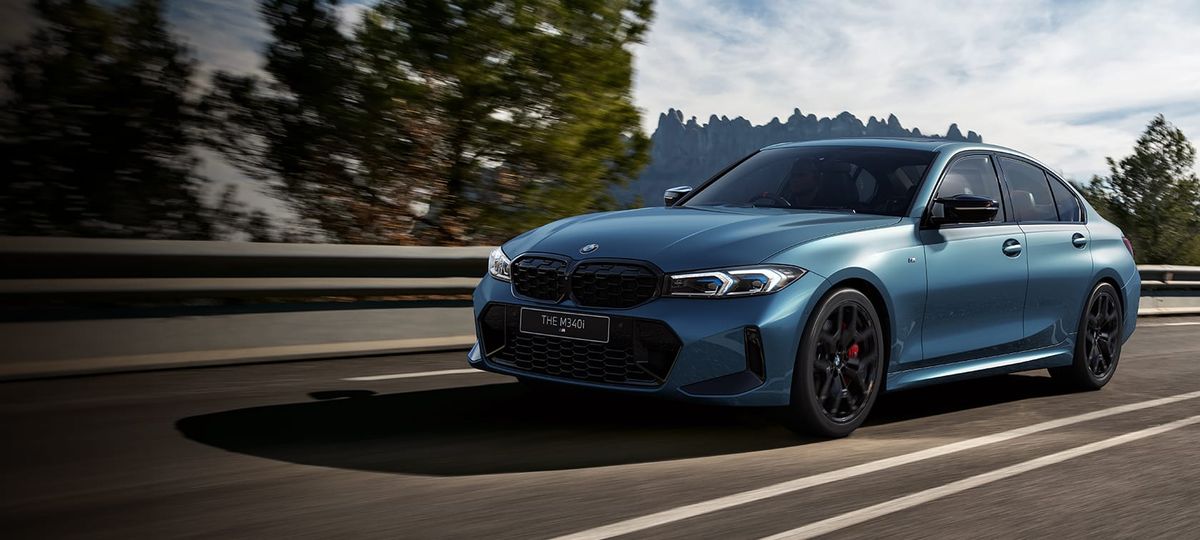
The dealership will tell you what payment you can qualify for. That is not the same as what car you can afford.
Most people do not buy a car. They buy a monthly payment.
That is exactly how someone earning €3,000 a month ends up driving a €45,000 car and insisting it is affordable because the payment is “only €499.” The deposit disappears from the story. So does the balloon payment. Insurance, tax, fuel, tyres, maintenance and depreciation are treated as if they belong to another budget.
The car may fit the financing agreement. It does not fit the person’s financial life.
I like cars. I am not going to tell you that everyone should drive a 15-year-old hatchback until they become a millionaire. Money is there to improve your life, and a car can give you comfort, freedom and genuine enjoyment.
But there is a difference between buying a car you enjoy and allowing a depreciating asset to dictate the rest of your life.
So, how much car can you actually afford?
The short answer
For most people who are still building wealth, I would keep the purchase price of a car between four and six months of net income.
If cars are one of your main interests, you have low fixed expenses and you are already investing consistently, you can stretch towards eight months of net income.
Once the car costs more than a full year of your take-home pay, you are no longer making a transport decision. You are making a luxury-consumption decision—and you should judge it accordingly.
My practical ceiling is the lowest of these three numbers:
1. Six months of net income for a normal buyer, or eight months for a genuine car enthusiast.
2. A price that keeps the car’s total monthly cost near 15% of net income and never above 20%.
3. A price you can buy with at least 20% down, a maximum four-year loan and your emergency fund left untouched.
If any one of those tests fails, the car is too expensive.
What that means in real life
The table below is not the maximum a bank may approve. It is the range I consider sensible for someone who wants a good car while continuing to build wealth.
|
Monthly net income |
Sensible car budget |
Real examples |
|
€2,000 |
€8,000–€12,000 |
2019 Volkswagen Polo or Toyota Yaris |
|
€3,000 |
€14,000–€18,000 |
2020 Mazda3, 2022 Toyota Yaris Hybrid or new Dacia Sandero |
|
€4,000 |
€20,000–€25,000 |
New Toyota Yaris or lightly used Mazda3 |
|
€5,000 |
€25,000–€32,000 |
New Mazda3 or Audi A3 at the upper end |
|
€7,500 |
€38,000–€50,000 |
New BMW 318i or lightly used premium saloon |
|
€10,000 |
€50,000–€65,000 |
BMW 5 Series Touring or similar executive car |
|
€15,000+ |
€75,000–€100,000 |
Porsche Macan Electric—subject to the wealth test |
These are not exact prescriptions. Housing costs, children, debt, mileage and job stability matter. A person earning €5,000 with a paid-off home may comfortably own more car than someone earning €7,500 with two children and a large mortgage.
Income gives you the first answer. Your balance sheet gives you the final one.
At €2,000 net: buy reliability, not identity
At this income, a new premium car is a weak financial decision. Even if financing makes the monthly payment appear manageable, the car will compete directly with your emergency fund, holidays and investments.
The better move is a reliable used hatchback in the €8,000–€12,000 range.
Current Belgian listings give a useful reality check. A 2019 Volkswagen Polo with sensible mileage is listed around €10,500, while 2019 Toyota Yaris examples appear around €10,500–€12,500. Those are real cars with modern safety equipment, Bluetooth and air conditioning—not financial punishment on wheels.
At this level, condition and maintenance history matter more than the badge. Leave at least €1,000–€1,500 outside the purchase price for an inspection, initial servicing, tyres or an unexpected repair.
At €3,000 net: the sweet spot is lightly used
With €3,000 of monthly take-home pay, the sensible range is roughly €14,000–€18,000.
This is where the used market becomes interesting. Belgian listings for a 2020 Mazda3 currently start around €15,000, while a 2022 Toyota Yaris Hybrid can be found around €16,250. Both give you substantially more quality and refinement than the cheapest new cars without absorbing a year of income.
A new Dacia Sandero also fits: its official Belgian starting price is €14,390. It is not aspirational, but financially it is difficult to attack. You get a new-car warranty and predictable ownership costs while keeping the majority of your capital available for assets that can appreciate.
This is also the income at which people are most tempted by a used BMW or Mercedes. The purchase price might fit. The ownership profile may not. A €17,000 premium car can still carry the tyres, insurance and repair bills of the €50,000 car it once was.
Buy the maintenance history, not the depreciation discount.
At €4,000 net: a good new car becomes reasonable
At €4,000 net, a €20,000–€25,000 car is defensible if you have no expensive consumer debt and are already investing every month.
A new Toyota Yaris is currently advertised from €22,990 in Belgium. That is the kind of purchase that may look boring on Instagram but excellent on a personal balance sheet: efficient, dependable and likely to remain useful for a long time.
A lightly used Mazda3 also fits comfortably. It gives you a more premium interior and driving experience without paying the full first-owner price.
What does not fit comfortably is a new BMW 3 Series. The base BMW 318i starts at €44,050—almost eleven months of net income at this salary. A bank could structure the payment. I would still call it too much car.
At €5,000 net: entry-level premium is possible, not automatic
At €5,000 net, I would look around €25,000–€32,000.
A new Mazda3 starts at €27,090 in Belgium. An Audi A3 Sportback starts at €32,500. A BMW 1 Series starts at €34,050, putting it just outside the sensible range before options.
This is where brand inflation becomes dangerous. The difference between a well-equipped Mazda3 and an entry-level German premium hatchback can easily become €10,000 once options are added. The premium car may be better—but often not €10,000 better.
If choosing the badge forces you to reduce investing, finance for six years or depend on a large balloon payment, you cannot comfortably afford the badge. You can only access it.
At €7,500 net: premium without financial theatre
At €7,500 net, a €38,000–€50,000 car can fit without dominating your finances.
The €44,050 BMW 318i now becomes reasonable. So does a high-quality, lightly used Mercedes C-Class, BMW 3 Series or Volvo.
Interestingly, used premium can offer much better value here. Current Belgian listings include 2021 BMW 3 Series models from roughly €21,700, with better-equipped versions around €28,000. The depreciation has already happened—but the maintenance risk remains, so a pre-purchase inspection and repair reserve are non-negotiable.
The wealthy decision is not always the cheapest car. It is the car whose full cost you understand and can absorb without changing your behaviour elsewhere.
At €10,000 net: you can afford luxury, but should still reject waste
With €10,000 of monthly take-home pay, a €50,000–€65,000 car is unlikely to damage your finances if the rest of your position is strong. A BMW 520i Touring, currently listed from €64,900 in Belgium, sits at the top of that range.
You can now buy a genuinely luxurious car. That does not mean every luxury-car decision is rational.
An aggressively optioned SUV can move from €65,000 to €90,000 with very little improvement in what it actually does. Luxury brands are exceptionally good at turning ambient lighting, larger wheels and a more dramatic trim package into another year of investment contributions.
At higher incomes, affordability stops being the only question. Value matters more.
At €15,000 net: a Porsche can fit—but income is no longer enough
The Porsche Macan Electric currently starts at €84,500 in Belgium; the Macan 4 starts at €88,100. On €15,000 net per month, that is roughly six months of take-home pay. By the income rule alone, it fits.
But this is where a second test becomes essential.
Before buying a car at this level, I would want:
● No high-interest consumer debt.
● A fully funded emergency reserve.
● Consistent retirement and investment contributions.
● Stable income that is not dependent on one unusually strong year.
● Investable assets comfortably greater than the value of the car.
Someone earning €15,000 a month with €500,000 invested can buy an €85,000 Porsche without rewriting their financial future. Someone who has just reached that income but has €20,000 saved cannot—not comfortably.
The first person is buying luxury from wealth. The second is trying to look wealthy before building it.
The monthly-payment trap
Car advertising is designed to move your attention away from price.
Toyota’s current representative financing example in Belgium illustrates the mechanics. A vehicle with a €29,196.55 cash price is shown with a €3,731.84 deposit, 60 monthly payments of €332.96 and a €10,930.89 purchase option at the end. If you keep the car, your cash outlay is approximately €34,640—including the deposit—before insurance, tax, energy and maintenance.
The €333 payment is real. It is simply not the whole truth.
Balloon financing is not automatically bad. It can preserve cash flow and may suit someone who changes cars frequently. But it becomes dangerous when the final payment is the only reason the monthly number looks affordable.
Always ask for five figures:
1. Cash price.
2. Deposit.
3. Interest rate and total interest.
4. Total amount paid if you keep the car.
5. Final balloon or purchase-option payment.
If the salesperson keeps returning to the monthly payment, return to the total price.
The cost most people forget: what the car prevents
Suppose you spend €15,000 more to move from a dependable car to the premium version you really want.
At a hypothetical 7% annual investment return, that €15,000 could grow to roughly €29,500 over ten years. The car does not merely cost €15,000. It also costs some portion of what that money could have become.
That does not mean you should never buy the better car. It means the upgrade should provide enough enjoyment to justify both the visible price and the invisible opportunity cost.
That is the real standard for luxury: not whether you can make the payment, but whether you would still choose the purchase after seeing what it displaces.
My final rule
Buy the nicest car that satisfies all four conditions:
● You can put down 20% without touching your emergency fund.
● You can clear the loan within four years.
● The all-in monthly cost is close to 15% of take-home pay and never above 20%.
● You continue investing at your normal rate after buying it.
If you need 72 or 84 months to make the payment work, the car is too expensive.
If one repair would force you into debt, the car is too expensive.
If you need your next bonus to cover the balloon payment, the car is too expensive.
And if the purchase leaves you looking wealthy but unable to build wealth, it is definitely too expensive.
The goal is not to drive the cheapest car possible.
It is to drive a car you enjoy—and remain financially more powerful than the thing parked outside your home.
Prices and market examples were checked in Belgium on 12 August 2026 and will vary by country, specification, mileage and promotion. This article is an analytical framework, not personalised financial advice.